Ha Giang history: a border region of many peoples
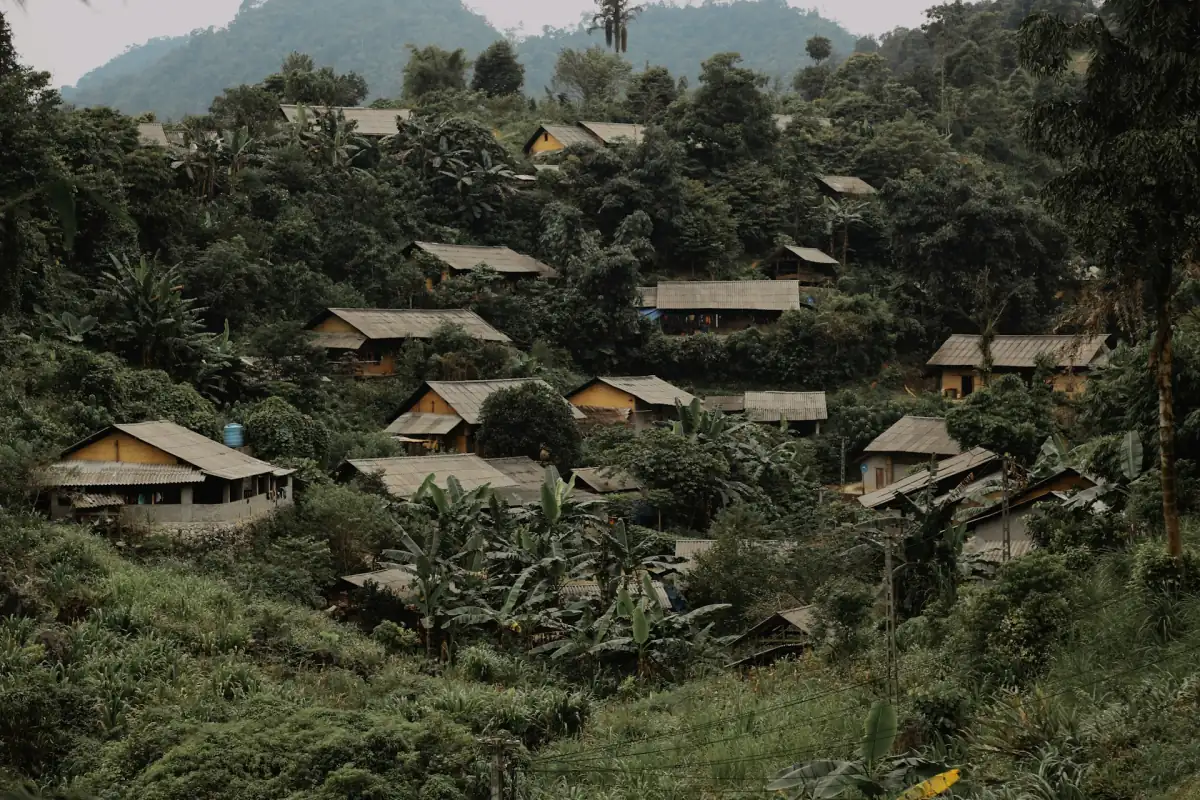
Ha Giang lies at the northern edge of Vietnam, on the border with China. The karst plateau around Dong Van is home to many ethnic groups, each with its own language, dress and markets. Their villages, fields and old houses are as much a part of the history as any monument.
Three things shape the story you see on the road: the peoples of the plateau, the Vuong family and its palace, and the border, where fighting took place in the late twentieth century. A fourth is recent: in 2025 the province was merged with Tuyen Quang. If you want to see these places, our Ha Giang Loop tours pass through most of them.
Hmong in Ha Giang and other peoples of the plateau
Who lives here and how to meet people with respect.
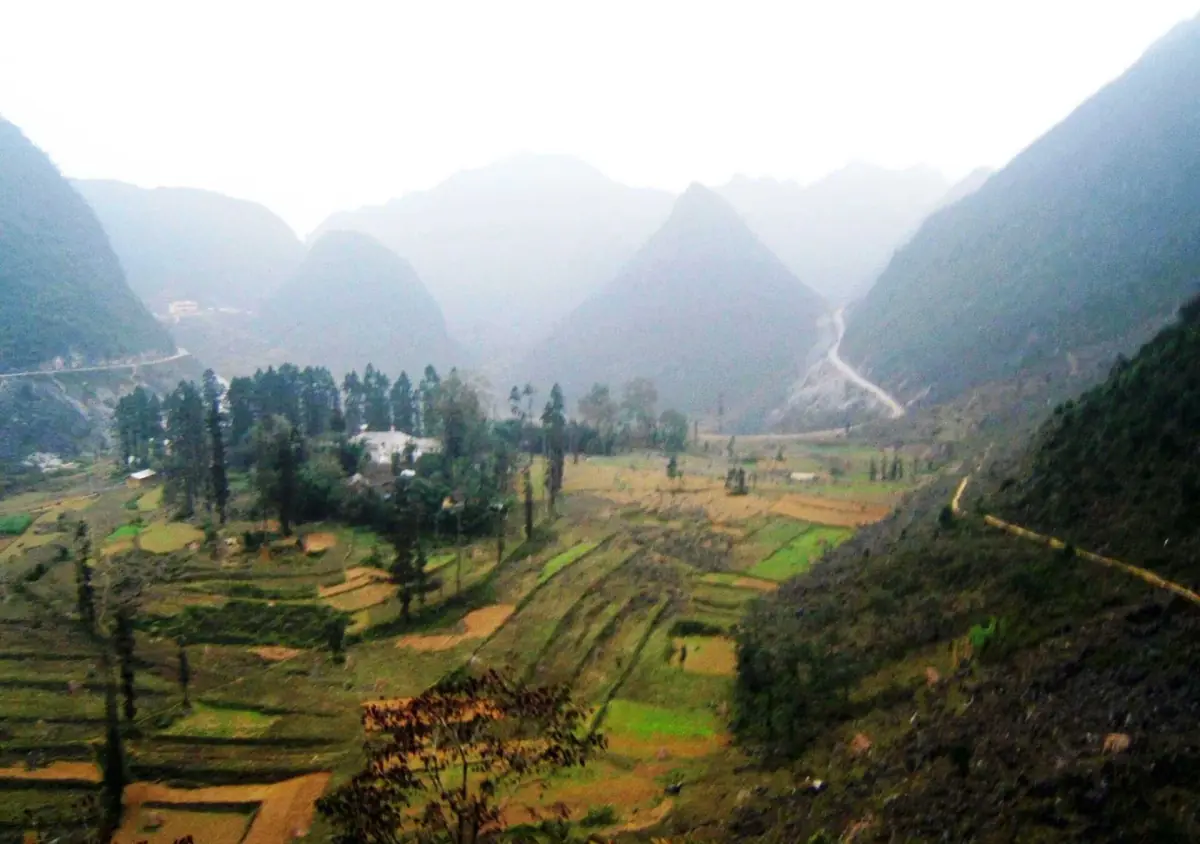
17 ethnic groups are counted on the Dong Van plateau. For the wider Ha Giang area the count is 19. The two figures refer to different areas, so they do not contradict each other. The Hmong are one of the groups of the plateau, and the Tay, Dao and Kinh also live in the region, along with the Lo Lo and Giay.
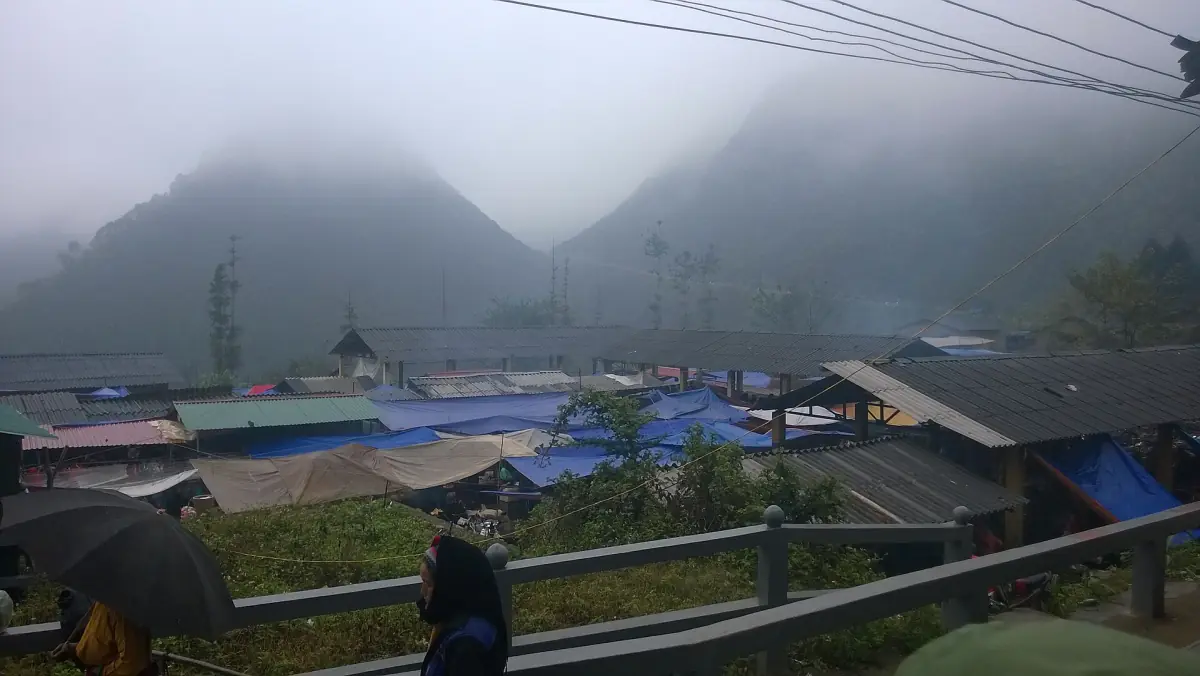
In Lung Tam in Quan Ba, the Hmong tradition of weaving hemp and flax-like (lanh) cloth and of embroidery is still practised. There is no fixed demonstration time or entry price, so do not expect a scheduled visit. If you want to take photos of people, ask first. Markets are a good place to meet the communities, and our page on Ha Giang markets shows the days.
Our pick: a tour through villages and historical sites
This jeep tour stops at villages and historical sites, and entrance fees are in the price.
Hand-picked tours, booked through Viator. Prices are indicative starting prices in US dollars (as of October 2026). Tap a tour for live availability and the current price in your currency.
Ha Giang tours and day trips
Loop tours and trips through the plateau and its villages, with live prices and availability.
The Vuong family and the Vuong Palace
A historic house on the plateau.
Who was Vuong Chinh Duc
Vương Chính Đức was a Hmong leader. The palace in Sa Phin was his residence and workplace. In older usage the family became known popularly as the "Hmong kings" (Vua Mèo). That is a historic nickname and says nothing about any kingdom today.
The house
The palace stands in Sa Phin village. Its architecture combines Chinese, Hmong and French influences. Construction began in 1898 and ended around 1903 to 1907. The site has been a national monument for architecture and art since 1993.
Visiting
Plan for daily opening hours of 7:30 a.m. to 5:00 p.m., and check the times locally before you go. Entry in 2026 is VND 30,000, or VND 15,000 with the 50 percent discount. Children under 6 enter free.
Our Dong Van guide covers the town and the way from there to Sa Phin.
The border conflict, 1979 to 1989
A short, factual outline.
In 1979 a border war with China began. Fighting continued in the following years and went on in Vi Xuyen until 1989. It was a border conflict and should not be confused with the wider war that ended in 1975.
The border is the reason behind a practical rule today. Border villages and communes can require permission from the provincial police, and such areas are not always signposted. No single permit covers the whole loop. Ask your tour operator or host what applies to your route.
From province to geopark: recent changes
Two things you will see in the signs and on maps.
The 2025 merger
In June 2025 the national assembly merged Ha Giang and Tuyen Quang into the province of Tuyen Quang. From 1 July 2025 new communes took over, for example Dong Van, Lung Cu and Sa Phin. Older signs and guides still use the old district names.
The geopark
The Dong Van Karst Plateau has belonged to the UNESCO Global Geoparks network since 3 October 2010. It covers about 2,356 km². A geopark is not a World Heritage site and not a national park. Read more on the Dong Van Karst Plateau page.
Khau Vai
Khau Vai is a yearly festival and market event, held on the 26th and 27th day of the third lunar month. In 2026 it fell on 12 and 13 May. The date moves each year in the solar calendar.
Plan the rest of your trip
Where to see the places in this story.
History of Ha Giang: frequently asked questions
Which ethnic groups live in Ha Giang?
The Hmong, Tay, Dao and Kinh live in the region, as do the Lo Lo and Giay. The plateau is counted as home to 17 groups, and the wider region to 19.
When was the Vuong Palace built?
Construction began in 1898. It was finished around 1903 to 1907. It has been a national monument since 1993.
Is Ha Giang still its own province?
No. Since 2025 it is part of the province of Tuyen Quang. Ha Giang remains the name of the travel region and the loop.
Do I need a permit for the border area?
Some border villages and communes can require local permission, and the areas are not always signposted. No single permit covers the whole loop. Ask your operator or host.
Can I photograph people at the markets?
Ask first and accept a no. Treat the markets as places where people work and trade, not as a stage.